Expand Your Business to Mexico – Watch Our Free Webinar for Essential Insights!

DIMSA logo
  • About Us
    • Our Team
  • Services
    • Accounting, Treasury & Taxes
    • Environmental Health and Safety Compliance (EHS)
    • Foreign Trade
    • Human Resources & Union Selection Adminsitration
    • Payroll Management
    • Shelter Package
  • Resources
    • Blog
  • Why DIMSA
  • Contact Us
  • About Us
    • Our Team
  • Services
    • Accounting, Treasury & Taxes
    • Environmental Health and Safety Compliance (EHS)
    • Foreign Trade
    • Human Resources & Union Selection Adminsitration
    • Payroll Management
    • Shelter Package
  • Resources
    • Blog
  • Why DIMSA
  • Contact Us
Industrial plant at sunset releasing heavy smoke emissions, representing environmental impact and COA reporting requirements in Mexico.
EHS | COA Environmental Reporting Requirements in Mexico
March 26, 2026
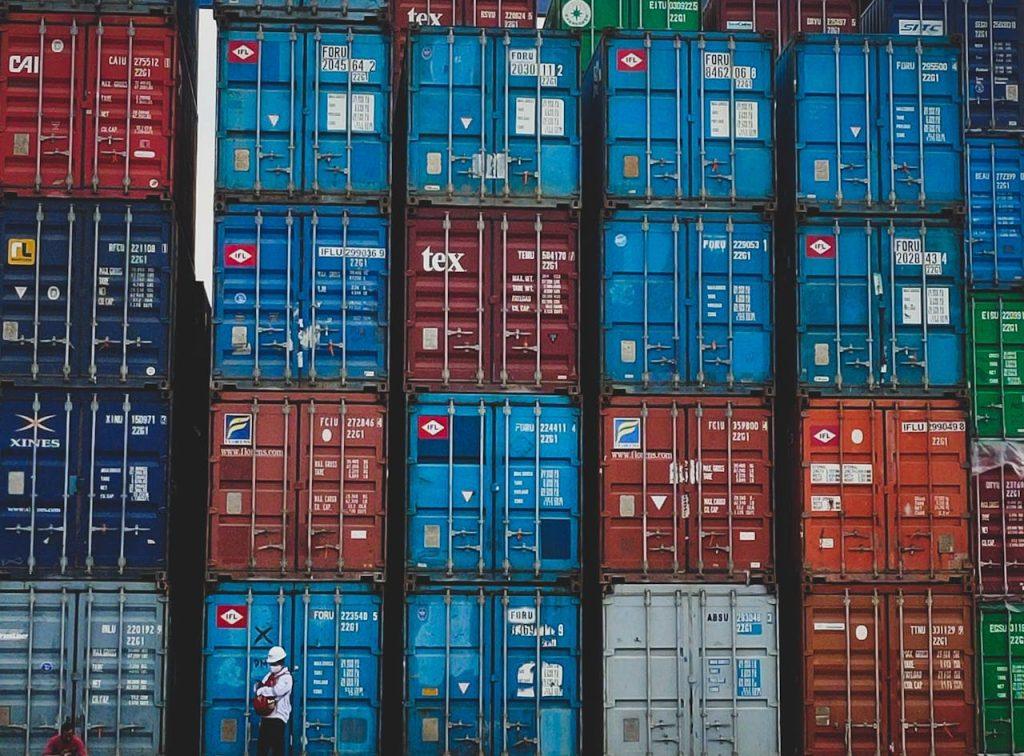
Stacked shipping containers used for international cargo transport and import operations in Mexico

Shipping containers represent the backbone of global trade, where proper import permits and compliance ensure smooth entry into Mexico.

Import Permits in Mexico: Complete Guide to Compliance and Requirements

What Companies Need to Know Before Importing

Expanding operations into Mexico offers significant opportunities for growth, manufacturing, and distribution. However, importing goods into Mexico involves much more than logistics – it requires strict compliance with a complex regulatory framework.

Mexico’s foreign trade regulations are detailed and highly enforced. Companies must secure the proper registrations, permits, and certifications before shipping any goods. Failing to do so can result in delays, penalties, or even suspension of import privileges.

This guide outlines the key requirements businesses must understand to ensure smooth and compliant import operations into Mexico.

Why Compliance Is Essential for Importing into Mexico

Mexico’s customs and tax authorities closely monitor import activities. Every shipment is subject to verification, and even small compliance gaps can create major operational issues.

Without proper preparation, companies may face:

  • Delays at customs clearance
  • Financial penalties and unexpected costs
  • Suspension from importer registries
  • Disruptions in supply chain operations

Strong compliance practices are not just about avoiding risk – they help ensure efficiency, predictability, and long-term success in international trade.

Key Import Permits and Requirements in Mexico

Below are the most important authorizations and compliance elements required before importing goods.

1. General Importers Registry (Padrón General de Importadores)

The first step for any company is registering with Mexico’s Tax Administration Service (SAT).

This registry is mandatory and allows businesses to legally import goods into Mexico. Without it, customs clearance is not possible.

2. Sectorial Importers Registries (Padrones Sectoriales)

Certain industries are subject to additional regulatory control and must register in specific sectorial registries.

Common sectors include:

  • Steel and metals
  • Textiles and apparel
  • Chemicals

If your products fall within these categories, additional registration is required before importation.

3. IMMEX Program Authorization

The IMMEX Program applies to companies involved in:

  • Manufacturing
  • Assembly operations
  • Export-oriented services

It allows temporary importation of goods such as raw materials and machinery, provided they are used in production and later exported.

Key compliance requirements include:

  • Inventory control systems (Annex 24)
  • Minimum export thresholds
  • Ongoing reporting obligations

Although IMMEX alone offers limited financial benefits, it is a critical step toward obtaining VAT Certification.

4. VAT and IEPS Certification (Certificación IVA)

This certification allows companies to apply a tax credit on temporary imports, avoiding upfront VAT payments.

To qualify, companies must demonstrate:

  • Strong internal controls
  • Accurate inventory management
  • Proper customs documentation
  • Operational infrastructure
  • Scrap and waste control processes
  • Fixed asset tracking

Some goods are considered sensitive and require additional compliance measures and authorization.

5. 30-Day Prior Notice for New Temporary Imports

When importing a product not previously declared under VAT Certification, companies must submit a notice at least 30 days before importation.

This notice includes:

  • Tariff classification
  • Product description
  • Intended use in production

Failure to comply can lead to audit risks and penalties.
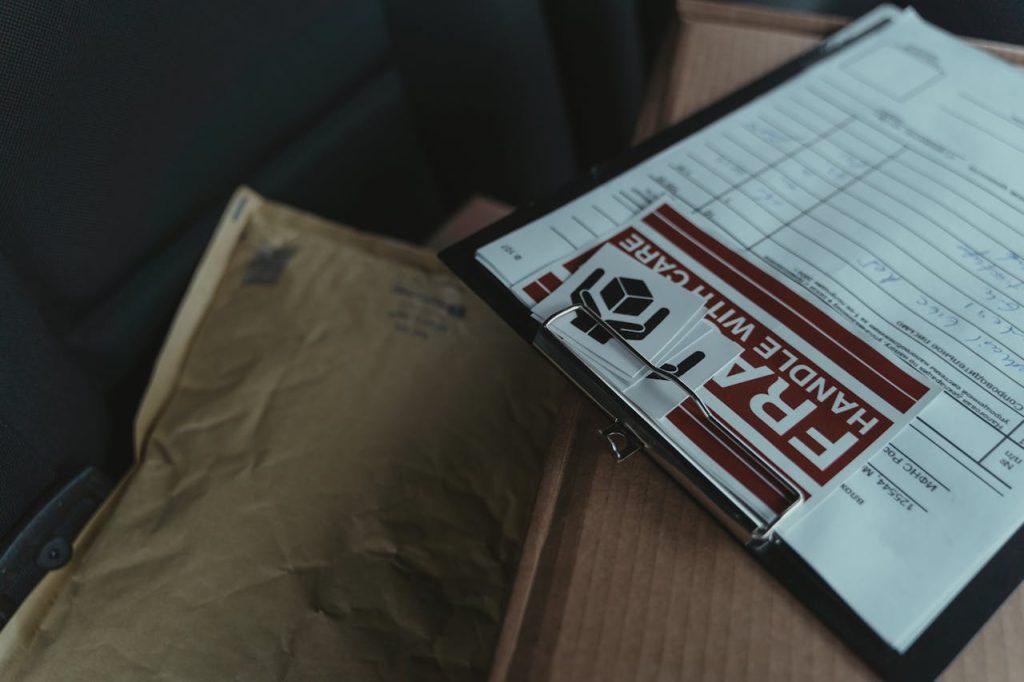
Import documentation and handling paperwork required for customs compliance in Mexico

6. Countervailing Duties (Anti-Dumping Measures)

Certain imported goods are subject to countervailing duties designed to protect domestic industries from unfair trade practices.

Commonly affected products include:

  • Steel
  • Chemicals
  • Consumer goods

These duties can significantly impact total import costs, making pre-import verification essential.

7. Import Quotas (Cupos)

Some goods are subject to import quotas, which limit the quantity that can be imported under preferential tariff conditions.

Once quotas are exceeded:

  • Higher tariffs apply
  • Import costs increase
  • Profit margins may be affected

Securing quota allocations in advance is key to maintaining cost efficiency.

8. Prohibited Goods

Mexico maintains a list of goods that cannot be imported under any circumstances.

These typically include:

  • Hazardous materials
  • Restricted wildlife products
  • Items prohibited under international agreements

Attempting to import these goods can result in severe legal consequences.

9. Automatic Import Notices (Avisos Automáticos)

Certain products require an Automatic Import Notice before entering Mexico.

Key considerations:

  • Processing time is approximately 4 weeks
  • Used for regulatory monitoring
  • Must be obtained before shipment

Failure to secure this notice can delay customs clearance and disrupt operations.

Best Practices for Successful Import Operations

To ensure smooth and compliant importing into Mexico, companies should:

  • Conduct internal compliance reviews regularly
  • Confirm all required permits before shipping goods
  • Maintain accurate inventory and documentation systems
  • Monitor regulatory updates and changes
  • Work with experienced trade compliance professionals

Proactive planning reduces risks and improves operational efficiency.

Final Thoughts

Importing into Mexico requires careful preparation and strict adherence to regulatory requirements. As highlighted in , companies must secure multiple permits, registrations, and certifications before initiating import operations.

Organizations that invest in compliance processes early are better positioned to avoid disruptions, reduce costs, and build reliable cross-border supply chains.

Miguel Tamez – Import / Export Manager
Related posts

Industrial plant at sunset releasing heavy smoke emissions, representing environmental impact and COA reporting requirements in Mexico.

Industrial emissions at scale underscore the need for accurate COA reporting and environmental oversight in Mexico.

March 26, 2026

EHS | COA Environmental Reporting Requirements in Mexico


Read more
Shelter model manufacturing facility in Mexico for foreign manufacturers

Foreign manufacturers can launch operations quickly in Mexico through a shelter model structure.

February 12, 2026

Shelter Model in Mexico: 2026 Guide for Foreign Manufacturers


Read more
Foreign business professionals reviewing administrative and compliance documents for operations in Mexico

Clear administrative processes and documented responsibilities are key to reducing operational friction for foreign companies operating in Mexico.

January 22, 2026

Operations in Mexico: Why They’re Harder Than They Should Be for Foreign Companies​


Read more

CONTACT US

MONTERREY +52 81 1366 6036

© DIMSA. All Rights Reserved. Privacy Policy.