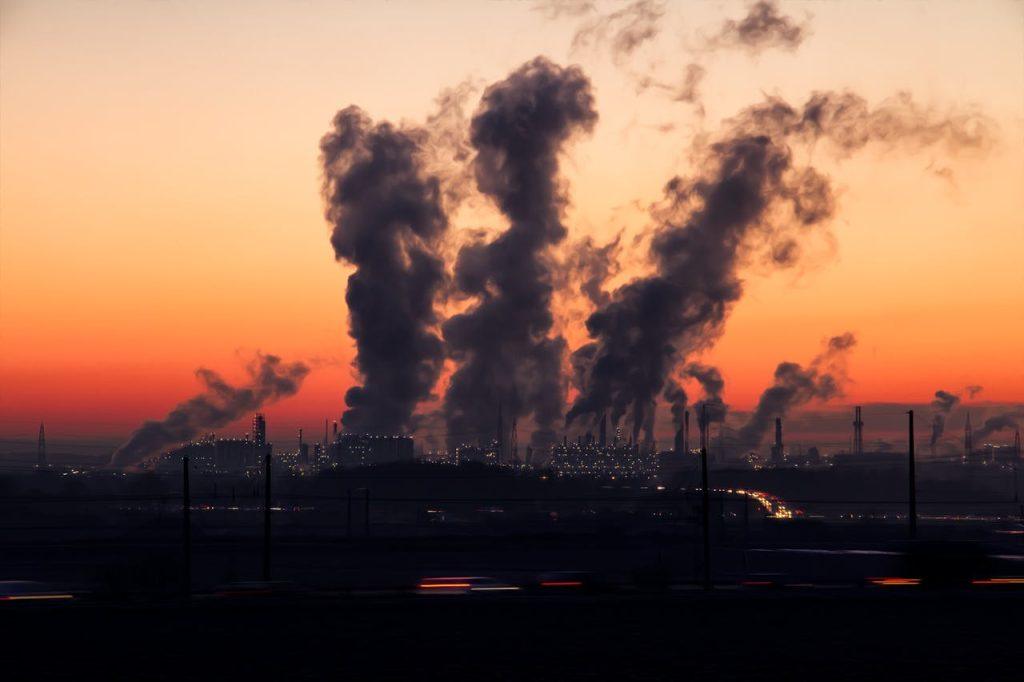
Following industrial development and in order to prevent environmental contamination, Mexico began enacting laws and regulations to establish a framework for control and to create sources of information regarding industrial processes. With the creation of the General Law of Ecological Balance and Environmental Protection (LGEEPA) in 1988 and the Pollutant Release and Transfer Register (RETC) in the mid-1990s – both federal jurisdiction regulations – the obligation to submit the Annual Operating Report, recognized by its Spanish acronym COA, was established.
The Annual Operating Report (COA) is an environmental reporting obligation aimed at monitoring emissions and pollutant transfers generated by industrial activities operating in Mexico.
Industrial sectors whose processes involve the generation of atmospheric pollutants and the transfer of contaminants are required to submit the federally regulated Annual Operating Report. These may include, among others:
cement production,
glass manufacturing,
chemical production,
oil extraction and petrochemicals,
metallurgical and steel industries.
At the same time, each state within the country began developing its own regulations, which also included the obligation to submit the Annual Operating Report for similar environmental matters, but applied to industrial sectors not classified as federal.
Some examples of industrial sectors subject to the state-jurisdiction Annual Operating Report include:
metalworking,
food and beverage manufacturing,
household goods manufacturing, and
in general, sectors that represent a lower environmental impact.
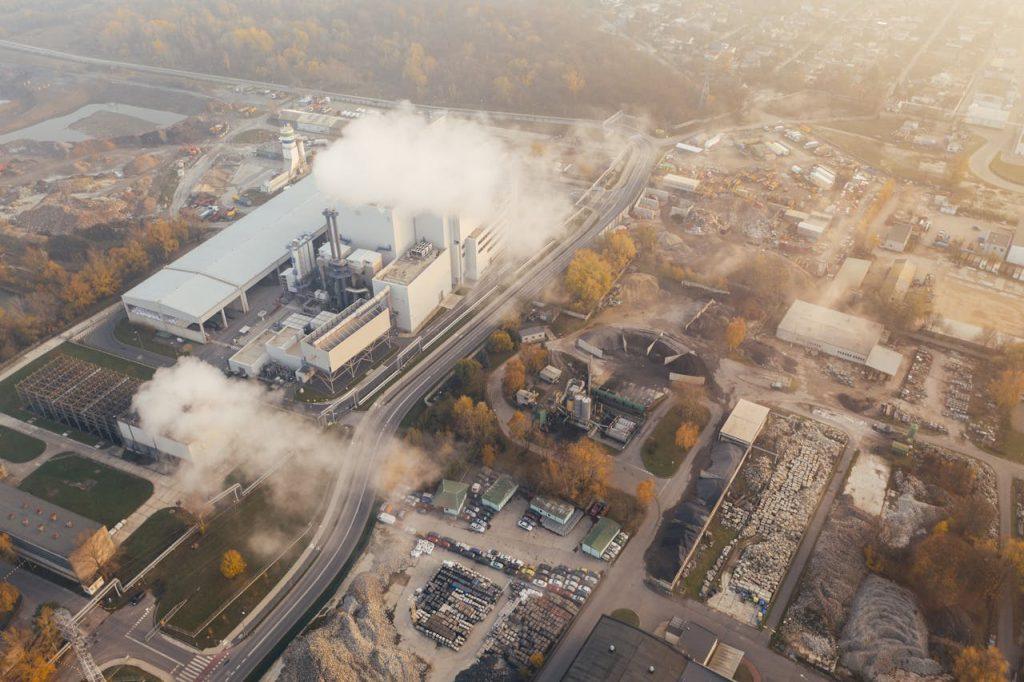
Over time, and with the development of more specific regulations, the COA submission format has evolved. The federal COA is submitted through an online platform where information is reported regarding:
pollutants emitted into the atmosphere by fixed federal sources;
the transfer of pollutants to soil through the generation of hazardous waste;
the type and quantity of pollutants transferred to water through industrial use and subsequent discharge into natural water bodies or irrigation systems.
This information must be supported by discharge quality analyses, hazardous waste management manifests, and records of raw material and resource consumption, such as water, electricity, and fuels for the reporting year.
Regarding the state COA submission, most states have enabled online platforms to report information related to:
air emissions from fixed state-jurisdiction sources;
pollutant transfers to soil through special-handling waste;
pollutant transfers to water through wastewater discharges generated during industrial processes, which, after treatment, are discharged into the municipal sewer system.
The obligation to submit the COA, both federal and state, is annual and subject to different submission periods:
Federal COA: filed between March and June
State COA: typically filed between January and April
In addition to serving as a regulatory requirement, the COA functions as a key environmental management and planning tool for companies operating in Mexico. The information reported allows authorities to monitor environmental performance, identify trends in pollutant generation, and design public policies aimed at reducing environmental impact.
For companies, maintaining accurate records and preparing the COA in a timely manner helps ensure compliance, avoid potential fines or sanctions, and demonstrate a commitment to sustainability and transparency. Proper preparation often requires coordination between environmental, operational, and administrative departments, as well as the support of accredited laboratories and specialized consultants.
As environmental regulations continue to evolve, companies operating in Mexico must stay informed of updates to reporting criteria, digital platforms, and technical guidelines in order to maintain full compliance with both federal and state environmental obligations.
Additionally, companies should consider implementing internal environmental monitoring systems throughout the year rather than gathering information only at the time of submission.
Maintaining monthly records of emissions, waste generation, water consumption, and fuel usage can significantly streamline the preparation of the COA and reduce the risk of inconsistencies in reported data. Many organizations also establish internal audits prior to submission to verify that laboratory analyses, manifests, and consumption records align with operational logs.
This proactive approach not only supports regulatory compliance but also helps identify opportunities to improve operational efficiency and reduce environmental impact. In some cases, the data collected for the COA can support corporate sustainability reporting and environmental compliance strategies.
As environmental oversight continues to strengthen in Mexico, the COA will remain a fundamental instrument for transparency, regulatory tracking, and responsible industrial development across both federal and state jurisdictions.
Nora Castillo – EHS Manager