The shelter model in Mexico has become one of the most efficient strategies for foreign companies looking to start manufacturing operations quickly while minimizing legal, fiscal, and operational risks. As nearshoring accelerates and global supply chains continue to shift, many companies are choosing Mexico as a manufacturing hub. The shelter structure allows them to do so without establishing a local legal entity.
In 1965, the foundation of what would later become the shelter model was established through Mexico’s Border Industrialization Program. Its objective was to generate employment in the northern border region, attract foreign investment, and boost manufacturing exports. This initiative led to the creation of maquiladoras – companies allowed to import inputs duty-free, assemble products in Mexico, and export finished goods.
The problem this model aimed to solve was clear: foreign companies did not fully understand Mexican regulations, did not want to create a local legal entity, and sought to reduce operational and fiscal risks. Many foreign firms faced barriers to operating directly due to unfamiliarity with the regulatory environment, complex tax requirements, and the need to establish a Mexican subsidiary.
During the 1970s and 1980s, Mexican companies began offering comprehensive services that allowed foreign manufacturers to operate without setting up their own legal entity in Mexico. These providers offered a Mexican legal structure, IMMEX permits, tax and labor compliance, human resources, import/export management, and full administrative support. Under this arrangement, the foreign company focused exclusively on manufacturing and production, while the Mexican shelter provider handled all legal, administrative, and regulatory responsibilities within Mexico.
In 1994, the signing of the North American Free Trade Agreement (NAFTA) marked a turning point. Foreign investment increased, export manufacturing expanded rapidly, and companies from multiple industries entered Mexico. At this stage, the shelter model became one of the fastest and most efficient ways for companies to establish operations in the country.
Between 2000 and 2015, the shelter model evolved into a more complete and diversified service. Three primary structures emerged:
In the nearshoring era (2016 – present), the shelter model has become even more relevant due to global supply chain disruptions, trade tensions between China and the United States, the COVID-19 pandemic, the implementation of the USMCA, and longer Start Up timelines. Today, it serves as one of the main entry strategies for foreign companies seeking to begin manufacturing operations in Mexico quickly and efficiently.
Modern shelter providers now offer advanced and highly professionalized capabilities, including tax and labor compliance, Environmental Health & Safety (EHS), supply chain management, trade certifications such as IMMEX, PROSEC, and VAT/IEPS programs, regulatory support, full payroll administration, accounting, and treasury services. These services allow foreign companies to operate with confidence in a complex regulatory environment.
Industries that benefit most from the shelter model include medical devices, automotive, electronics, aerospace, and advanced manufacturing. The key advantages include market entry within 3 to 6 months, reduced legal and fiscal risks, lower initial investment, focus on core business operations, access to skilled labor and local suppliers, and flexibility to scale or exit operations.
However, there are also disadvantages. Companies may experience less direct control over certain functions, dependency on the shelter provider, ongoing service costs, and the need for strong alignment in compliance and operational processes. For many organizations, the shelter model serves as an initial phase before transitioning to a standalone Mexican entity, although some companies choose to remain under the shelter structure long term due to efficiency and risk reduction. This decision depends on each company’s strategy and growth plans. For companies choosing the standalone model it has become increasingly more complex to start operations due to continuos Government hurdles and permit delays.
Why use a shelter in 2026? The model is more relevant than ever. Nearshoring to Mexico continues to accelerate, driven by proximity to the United States, supply chain resilience, and the need for faster market access. The shelter model allows companies to begin operations in months instead of years, comply with an increasingly complex regulatory framework, adapt to fiscal and labor changes, and test the market before committing to a full legal presence. Additionally, it enables companies to maintain operational agility while leveraging local expertise and infrastructure during early expansion stages.
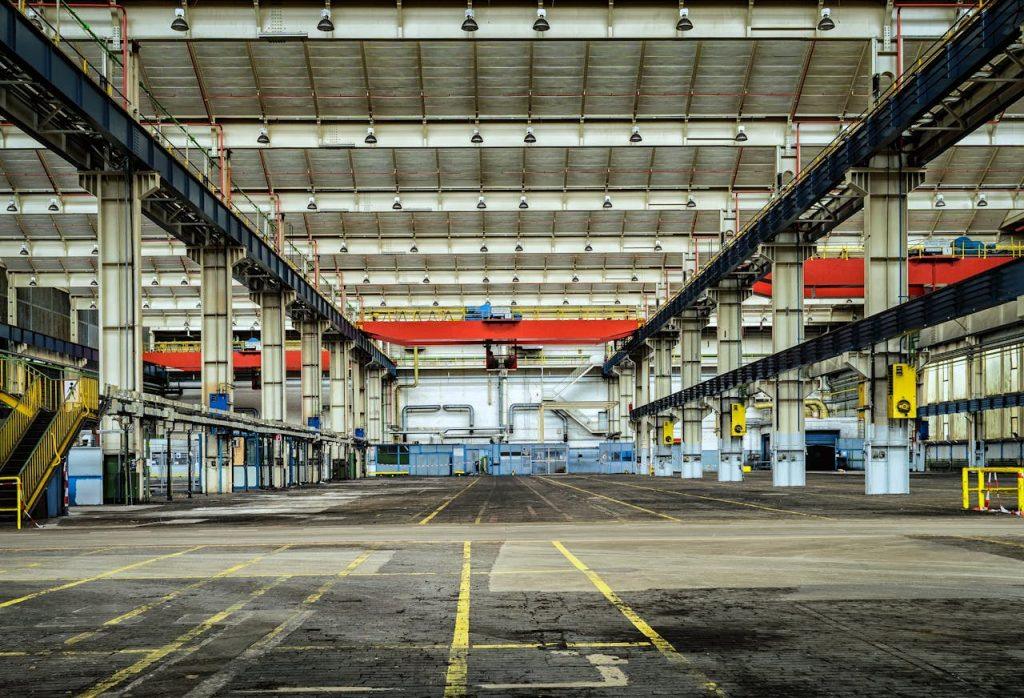
The shelter model remains one of the most strategic ways to establish manufacturing operations in Mexico.
The shelter model originated as a practical solution to encourage foreign investment in Mexico’s manufacturing sector. Over time, it has become a key component of the country’s industrial ecosystem. In 2026, it continues to be a fundamental tool for reducing risk, accelerating market entry, and helping companies take advantage of nearshoring opportunities in Mexico.
Looking to start manufacturing in Mexico quickly and compliantly? Contact DIMSA to learn how our shelter model in Mexico can support your expansion.
Alejandro Rodriguez – Commercial Director